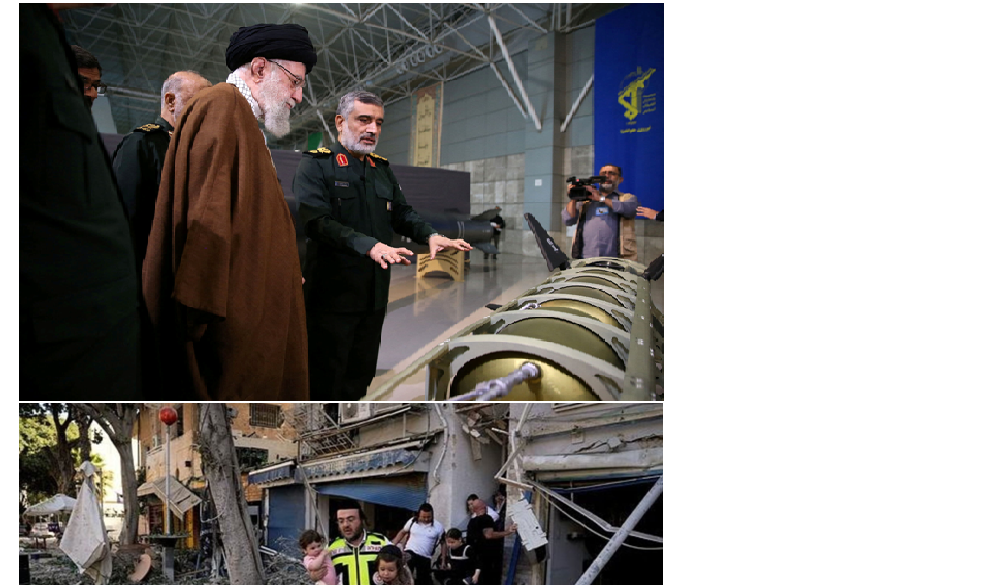
Iran’s leadership on guard Supreme Leader Khamenei has initiated emergency succession planning, relocated to a bunker, cut digital communications, and placed senior clerics and IRGC commanders on standby
Tehran’s solemn warning Foreign Minister Abbas Araghchi cautioned that U.S. strikes on their nuclear sites—Fordow, Natanz, and Isfahan—“will have everlasting consequences” and signaled that “all options are reserved” for retaliation
Military options and constraints Iran’s capacity for direct retaliation is hampered: ballistic missile systems are damaged, proxy forces like Hezbollah and Kata’ib are weakened, and U.S. forces are prepped for immediate defense. Still, striking U.S. bases, shipping chokepoints (e.g., the Strait of Hormuz), and regional drone/missile launches remain options, though each carries high risk
Proxy escalation Iran may deepen its reliance on proxies—Houthis in Yemen, militias in Iraq and Syria—to target Israeli or American assets indirectly. Also, there’s talk of disrupting oil flows via Hormuz to pressure the West economically .
Nuclear diplomacy stalls Nuclear talks with Europe (E3 in Geneva) began June 20 but collapsed quickly following the strikes—diplomacy has been effectively frozen